Ngorongoro Crater Safari: Big 5 Wildlife & Caldera Tours
Descend 600 meters into Africa's Eden—the world's largest intact volcanic caldera hosting unprecedented wildlife density.
The Wonder of a Ngorongoro Crater Safari
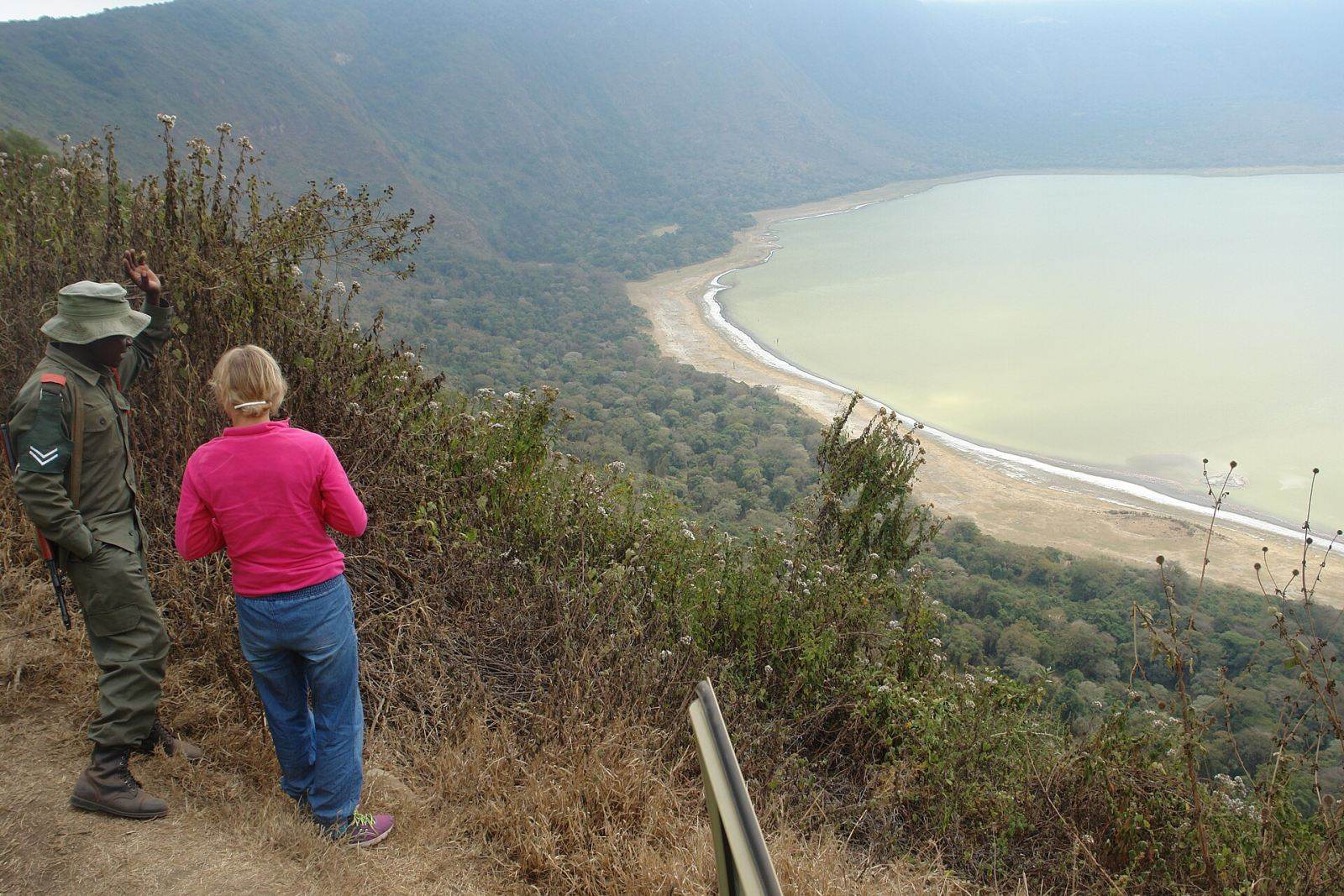
Often referred to as the "Eighth Wonder of the World," a private Ngorongoro Crater Safari offers one of the most astonishing wildlife spectacles anywhere on the planet. Formed two to three million years ago when a colossal volcano collapsed upon itself, the crater is the world's largest unbroken, unflooded volcanic caldera. Its sheer rim towers 600 meters (2,000 feet) above an expansive 260-square-kilometer floor, creating a completely self-contained natural amphitheater teeming with wild animals.
What makes a Ngorongoro Crater Safari genuinely exceptional is the unprecedented concentration of wildlife enclosed within this natural boundary. Over 25,000 large mammals inhabit the caldera year-round. Here, fertile volcanic soils feed lush grasses, freshwater streams, and the shimmering alkaline waters of Lake Magadi, providing abundant food for resident zebra herds, blue wildebeest, giant bull elephants sporting antique tusks, and Africa's densest concentration of mammalian predators.
Encountering the Endangered Black Rhino and Big Five
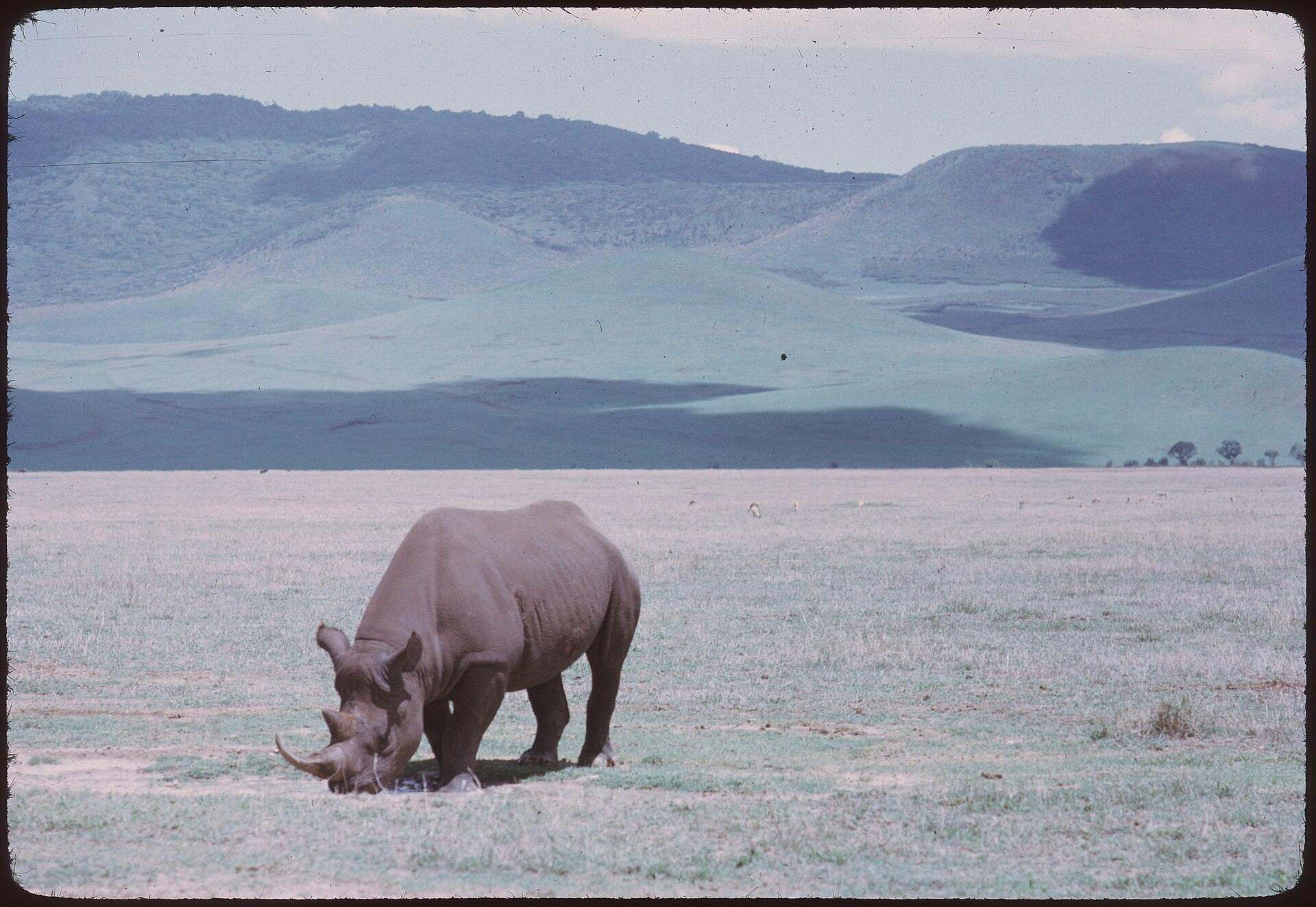
For safari enthusiasts seeking to check off all members of the Big Five (lion, leopard, elephant, buffalo, and rhino), a Ngorongoro Crater Safari is arguably the premier destination in East Africa. The open savannah floor offers your greatest opportunity to spot the critically endangered black rhino grazing peacefully under armed protection. Pride of lions roam freely between grazing herds, while golden jackals and spotted hyenas patrol the open plains.
Seasonal Guide: When to Take Your Ngorongoro Crater Safari
Because the crater provides permanent water sources and lush grazing throughout the year, wildlife viewing on a Ngorongoro Crater Safari remains phenomenal during all twelve months:
- Dry Season (June to October): Vegetation is sparse, facilitating easy spotting of rhinos and big cats across wide plains. Wildlife gathers tightly around Lake Magadi and the Lerai Forest spring.
- Green Season (November to May): The caldera floor transforms into a vivid green carpet adorned with blooming yellow wildflowers. Thousands of lesser flamingos arrive to tint Lake Magadi bright pink, and birdlife is exceptionally rich.
- Morning Temperature Caution: The rim sits at an elevation of roughly 2,200 meters (7,200 feet). Early mornings before your crater descent can be brisk and misty (temperatures drop to 10°C / 50°F), so warm layering is strongly recommended.
Top Highlights on a Ngorongoro Safari
A typical Ngorongoro Crater Safari with Ruttar Adventures is packed with extraordinary experiences:
- The Thrilling Crater Descent: Winding down the steep forested crater wall in a heavy-duty 4x4 Land Cruiser as morning mist burns off reveals breathtaking panoramic vistas of the entire caldera floor below.
- Lerai Yellow Fever Tree Forest: This enchanted fever-tree sanctuary provides prime shade for giant tusked bull elephants, bushbucks, and leopards.
- Hippo Pool Picnic Lunch: Enjoy a chef-prepared picnic lunch overlooking the Ngoitoktok Springs hippo pool, watching dozens of hippos wallow and snort just meters away.
- Maasai Cultural Visits: Visit authentic Maasai bomas perched high on the crater rim highlands to discover traditional tribal songs, dances, and medicinal herbal lore.
How to Combine Your Ngorongoro Crater Safari
Ngorongoro sits conveniently at the heart of Tanzania's Northern Safari Circuit. Most travelers combine a Ngorongoro Crater Safari with the vast open plains of Serengeti National Park and the elephant-rich woodlands of Tarangire National Park. Drive times between Arusha and the Ngorongoro Conservation Area entrance gate are approximately 3 to 3.5 hours on well-paved tarmac roads.
Frequently Asked Questions About Ngorongoro Safaris
Are crater safari permits subject to time limits?
Yes, NCAA regulations enforce a maximum 6-hour permit window inside the crater floor per vehicle to reduce environmental impact and minimize vehicle congestion.
Can giraffes be seen inside Ngorongoro Crater?
Interestingly, you will not find giraffes on the crater floor. Their long legs and distinct anatomical center of gravity make traversing the steep, 600-meter descent walls hazardous. However, they are easily seen in abundance around the crater rim and neighboring Lake Manyara.
Where should I stay when visiting Ngorongoro?
Lodging ranges from exclusive luxury rim lodges with dramatic sunrise views to comfortable safari lodges nestled in nearby Karatu town, just 20 minutes from the gate.
Popular Packages Featuring Ngorongoro Crater
Discover our top-rated Northern Circuit itineraries highlighting an in-depth Ngorongoro Crater Safari: